Thursday, 16 January 2014

Lung cancer is the chief cause of cancer deaths for both men and women - Lung cancer facts

Lung cancer is a common form of cancer. It is the chief cause of cancer deaths for both men and women, although the rate of lung cancer is declining significantly for men. more than 163,000 people die from lung cancers each year.

Lung cancer is considered to be the most tragic type of cancer because, in most cases, it could have been prevented. Smoking tobacco is responsible for 87 percent of lung cancers. The risk of dying from lung cancer is 22 times higher for men who smoke and 12 times higher for women who smoke than it is for people who never smoked.

Lung cancer is cancer of the lungs. Like other parts of the body, the lungs are made up of many types of cells. Cells divide in an orderly, controlled way to produce more cells when more cells are needed in the body. When cells divide in an abnormal, uncontrolled way, they can form either a benign or malignant tumor:
  • Benign tumors are not cancerous. They are rarely life-threatening.
  • Malignant tumors are cancerous. Cancer cells can spread to nearby healthy cells and destroy them. The cancerous cells can also invade other parts of the body. Cancerous cells in the lungs can spread to the lymph glands, which are located nearby. The cancer can also spread to other parts of the body.
Lung cancers can be divided into two main types: small cell lung cancer and non-small cell lung cancer. The cancer cells of each type grow and spread in different ways, and they are treated differently.

Most lung cancers are non-small cell. There are three main types of non-small cell lung cancer: squamous cell carcinoma, adenocarcinoma and large cell carcinoma.
  • For men, squamous cell carcinoma is the most common kind of lung cancer. It does not spread as quickly as other types, and it usually starts in the bronchi.
  • For women and for nonsmokers, the most common type of lung cancer is adenocarcinoma. It usually starts around the outer edges of the lungs and under the lining of the bronchi.
  • A group of cancers with large, abnormal cells -- large cell carcinomas -- also usually begins around the outer edges of the lungs.  

About 15 to 20 percent of the newly diagnosed lung cancer cases are small-cell carcinomas -- a type of lung cancer in which the cells are small and round. It is also sometimes called "oat cell" lung cancer. This type of cancer grows rapidly and quickly spreads to other organs.


There are usually no signs or symptoms in lung cancer. 

The main symptoms of lung cancer are listed below:
  • A cough that doesn’t go away after two or three weeks
  • A long-standing cough that gets worse
  • Persistent chest infections
  • Coughing up blood
  • Persistent breathlessness
  • Loss of appetite or unexplained weight loss

The treatments for lung cancer depend on the stage of the cancer, personal characteristics, health status, type of the cancer and age. A number of therapies are provided to a patient as there is no single treatment available for lung cancer. Radiation, surgery and chemotherapy are considered as the major lung cancer treatment.

Surgery : One of the oldest methods for treating lung cancer is surgery. The surgical removal of the tumor and surrounding lymph nodes is done if there is I or II stage cancer that has not metastasized. Palliative or curative are the two types of lung cancer surgeries. Palliative surgery may not remove cancer but can remove an open airway or obstruction that was making the patient uncomfortable. Curative surgery removes all types of cancerous tissue in those patients who are in early stage lung cancer.

Chemoembolization:Strong chemicals are used in chemotherapy that interferes with cell division process and damages DNA or proteins. The aim of these treatments is to rapidly divide the cells. The normal cells can be recovered from any chemical-induced damage whereas cancer cells cannot be recovered. The medicines in chemotherapy travel in a systematic way by passing from the complete body and destroying the original tumor cells that have spread in the whole body. Usually many therapies are combined that also includes many types of chemotherapy.

Radiation Therapy :Radiation therapy may be employed as a treatment for both NSCLC and SCLC. Radiation therapy uses high-energy X-rays or other types of radiation to kill dividing cancer cells. Radiation therapy may be given as curative therapy, palliative therapy (using lower doses of radiation than with curative therapy), or as adjuvant therapy in combination with surgery or chemotherapy. Radiation therapy generally only shrinks a tumor or limits its growth when given as a sole therapy, yet in 10%-15% of people it leads to long-term remission and palliation of the cancer. Combining radiation therapy with chemotherapy can further prolong survival when chemotherapy is administered. External radiation therapy can generally be carried out on an outpatient basis, while internal radiation therapy requires a brief hospitalization.

Targeted Therapy :Targeted therapy drugs more specifically target cancer cells, resulting in less damage to normal cells than general chemotherapeutic agents. Erlotinib and gefitinib target a protein called the epidermal growth factor receptor (EGFR) that is important in promoting the division of cells. This protein is found at abnormally high levels on the surface of some types of cancer cells, including many cases of non-small cell lung cancer.

For more information visit:          http://www.medworldindia.com        
                    
https://www.facebook.com/medworld.india

Please scan and email your medical reports  to us at care@medworldindia.com and we shall get you a Free Medical Opinion from India’s Best Doctors.

Call Us : +91-9811058159
Mail Us : care@medworldindia.com


Tuesday, 14 January 2014

Radiation Therapy for Colon Cancer at World Best Cancer Hospital in India

Radiation therapy is not a common way to treat colon cancer, though it may be used in certain circumstances. Radiation therapy, often with chemotherapy, is frequently used in the adjuvant or neoadjuvant setting for the treatment of rectal cancers, whereas chemotherapy alone is more common for the adjuvant and neoadjuvant treatment of colon cancers.

Doctors who specialize in treating cancers with radiation are known as radiation oncologists. During radiation therapy, high-energy x-rays are used to kill cancer cells. In advanced stages of colon cancer, radiation therapy is often given instead of surgery when an operation cannot be performed. Radiation therapy is also commonly given in combination with chemotherapy. Chemotherapy drugs have the ability to kill cancer cells directly and help make radiation therapy more effective in killing cancer cells.

Radiation therapy for colon cancer is typically delivered by a machine that aims x-rays at the body (external beam radiation). External beam radiation therapy (EBRT) for colon cancer is given on an outpatient basis, 5 days a week, for approximately 5 to 6 weeks. If ERBT is used as palliative treatment for stage IV cancer, it may be given for a shorter time, one day to three weeks.

EBRT begins with a planning session, or simulation, during which the radiation oncologist places marks on the body and takes measurements in order to line up the radiation beam in the correct position for each treatment. After the simulation session, the patient begins a program of daily treatments. During treatment, the patient lies on a couch and is treated with radiation from multiple directions to the pelvis. The radiation oncologist may perform a second planning session or simulation near the end of treatment to focus the radiation to the area where cancer cells are most likely to remain. The last 3-5 days of treatment may be directed at this area.

Add caption
For small early cancers, a focused radiation beam can be aimed directly at the cancer in the colon. Intra-operative radiation therapy (IORT) refers to treatment in a specially equipped operating room where a single dose of radiation is given during surgery. The radiation doctor is able to see the area being treated directly and move sensitive normal structures, such as the small bowel, away from the radiation beam. IORT is usually administered when surgery is being performed for locally extensive cancer or stage II-IV cancer that has recurred in the pelvis. Some studies have shown good rates of control of recurrent tumors when surgery is combined with both IORT and traditional radiation therapy. IORT is not indicated in patients with multiple recurrent cancers due to the high frequency of nerve damage if many tumors are treated.


External beam radiation therapy (EBRT) can be delivered more precisely to cancer-containing areas by using a special CT scan and targeting computer. This capability is known as three-dimensional conformal radiation therapy, or 3D-CRT. The use of 3D-CRT appears to reduce the chance of injury to nearby normal body structures, such as the bladder or rectum. Since 3D-CRT can better target the area of cancer, radiation oncologists are evaluating whether higher doses of radiation can be given safely with greater potential for cancer cures.

Targeted Therapy : Certain substances and drugs are used by the targeted therapy in order to target particular cancer cells without causing any harm to nearby normal cells. The two types of targeted therapy include :

Angiogenesis Inhibitors :This helps in stopping the growth of new blood vessels which tumors need to grow.

Monoclonal Antibodies : These antibodies are prepared in the laboratory with the help of a single type of immune system. Certain substances can be identified by these antibodies that are on the cancer cells or it also indentifies certain normal substances that are helping in the growth of cancer cells. These antibodies then attach themselves with the substances for destroying cancer cells and also prevent them from spreading.

For more information visit:          http://www.medworldindia.com        
                    
https://www.facebook.com/medworld.india

Please scan and email your medical reports  to us at care@medworldindia.com and we shall get you a Free Medical Opinion from India’s Best Doctors.

Call Us : +91-9811058159
Mail Us : care@medworldindia.com

Friday, 10 January 2014

Colon Cancer Treatment Option In India At Affordable Cost


Colon cancer, also known as bowel cancer or colorectal cancer or cancer of the bowel, is the cancer of large intestine (lower part of the digestive system). Majority of colon cancer cases start as small and non-cancerous clumps of the cells known as adenomatous. After a certain period of time, these polyps become colon cancers. These are the third most commonly diagnosed cancers in world. They start as a small proliferated, ulcerated lesions or thickenings from the inner most layers of bowel lining. Left untreated they grow in size, extend through the wall to adjacent organs, involve nearby lymph nodes and at latter stages involve the liver and other distant organs, through blood stream, manifesting as different stages of disease progression.

Symptoms

A change in your bowel habits, including diarrhea or constipation or a change in the consistency of your stool for more than a couple of weeks Rectal bleeding or blood in your stool Persistent abdominal discomfort, such as cramps, gas or pain Abdominal pain with a bowel movement A feeling that your bowel doesn’t empty completely Weakness or fatigue Unexplained weight loss…

Causes

In general, cancer occurs when healthy cells become altered. Healthy cells grow and divide in an orderly way to keep your body functioning normally. But sometimes this growth gets out of control — cells continue dividing even when new cells aren’t needed. In the colon and rectum, this exaggerated growth may cause precancerous cells to form in the lining of your intestine…

Risk factors

Factors that may increase your risk of colon cancer include : -

Age : – About 90 percent of people diagnosed with colon cancer are older than 50. Colon cancer can occur in younger people, but it occurs much less frequently.

A personal history of colorectal cancer or polyps : – If you’ve already had colon cancer or adenomatous polyps, you have a greater risk of colon cancer in the future.

Inflammatory intestinal conditions : – Long-standing inflammatory diseases of the colon, such as ulcerative colitis and Crohn’s disease, can increase your risk of colon cancer.

Inherited disorders that affect the colon : – Genetic syndromes passed through generations of your family can increase your risk of colon cancer. These syndromes cause only about 5 percent of all colon cancers. One genetic syndrome called familial adenomatous polyposis (FAP) is a rare disorder that causes you to develop thousands of polyps in the lining of your colon and rectum.

When to seek medical advice

If you notice any symptoms of colon cancer, such as blood in your stool or a persistent change in bowel habits, see your doctor as soon as possible. Keep in mind that colorectal cancer can occur in younger as well as older people. If you’re at high risk, don’t wait until symptoms appear. See your doctor for regular screenings.

Talk to your doctor about when you should begin screening for colon cancer. Guidelines generally recommend colon cancer screenings begin at age 50. Your doctor may recommend more frequent or earlier screening if you have other risk factors, such as a family history of the disease.


  • Targeted Therapy : Certain substances and drugs are used by the targeted therapy in order to target particular cancer cells without causing any harm to nearby normal cells. The two types of targeted therapy include :
    • Angiogenesis Inhibitors :This helps in stopping the growth of new blood vessels which tumors need to grow.
    • Monoclonal Antibodies : These antibodies are prepared in the laboratory with the help of a single type of immune system. Certain substances can be identified by these antibodies that are on the cancer cells or it also indentifies certain normal substances that are helping in the growth of cancer cells. These antibodies then attach themselves with the substances for destroying cancer cells and also prevent them from spreading.
  • Surgery :Surgery is the mainstay of treatment and involves in block removal of diseased segment with adequate margins, surrounding tissue and lymph nodes. The names given to such resections are right hemicolectomy, transverse colectomy, left hemicolectomy, sigmoid colectomy, and subtotal colectomy:
    • Polypectomy : If the cancer is found in a polyp (a small piece of bulging tissue), the polyp is often removed during a colonoscopy.
    • Local excision : If the cancer is found on the inside surface of the rectum and has not spread into the wall of the rectum, the cancer and a small amount of surrounding healthy tissue is removed.
    • Resection : If the cancer has spread into the wall of the rectum, the section of the rectum with cancer and nearby healthy tissue is removed. Sometimes the tissue between the rectum and the abdominal wall is also removed. The lymph nodes near the rectum are removed and checked under a microscope for signs of cancer.
    • Pelvic exenteration : If the cancer has spread to other organs near the rectum, the lower colon, rectum, and bladder are removed.
    Radiation therapy or chemotherapy may be given before surgery to shrink the tumor, make it easier to remove the cancer, and lessen problems with bowel control after surgery. Treatment given before surgery is called neoadjuvant therapy. Even if all the cancer that can be seen at the time of the operation is removed, some patients may be given radiation therapy or chemotherapy after surgery to kill any cancer cells that are left. Treatment given after the surgery, to lower the risk that the cancer will come back, is called adjuvant therapy.
  • Chemotherapy : Certain types of drugs are used for stopping the growth of cancer cells or for destroying the cancer cells. The injection of these drugs is done into a vein from where they enter the bloodstream and they then travel through the entire body.

 For more information visit:          http://www.medworldindia.com         
                    https://www.facebook.com/medworld.india

Please scan and email your medical reports  to us at care@medworldindia.com and we shall get you a Free Medical Opinion from India’s Best Doctors.

Call Us : +91-9811058159
Mail Us : care@medworldindia.com

Tuesday, 7 January 2014

Most Common Cancer Symptoms Women Are Likely to Ignore !

1. Wheezing or shortness of breath

One of the first signs lung cancer patients remember noticing when they look back is the inability to catch their breath. "I couldn't even walk across the yard without wheezing. I thought I had asthma, but how come I didn't have it before?" is how one woman described it.

2. Chronic cough or chest pain

Several types of cancer, including leukemia and lung tumors, can cause symptoms that mimic a bad cough or bronchitis. One way to tell the difference: The problems persist, or go away and come back again in a repeating cycle. Some lung cancer patients report chest pain that extends up into the shoulder or down the arm.


3. Frequent fevers or infections

These can be signs of leukemia, a cancer of the blood cells that starts in the bone marrow. Leukemia causes the marrow to produce abnormal white blood cells, which crowd out healthy white cells, sapping the body's infection-fighting capabilities. Often, doctors finally catch leukemia in older adults after the patient has been in a number of times complaining of fever, achiness, and flu-like symptoms over an extended period of time.


4. Unexplained weight loss

If you notice the pounds coming off and you haven't made changes to your diet or exercise regime, you need to ask why. Weight loss is an early sign of colon and other digestive cancers; it's also a sign of cancer that's spread to the liver, affecting your appetite and the ability of your body to rid itself of wastes.


5. Swollen lymph nodes or lumps on the neck, underarm, or groin

Enlarged lymph nodes indicate changes in the lymphatic system, which can be a sign of cancer. For example, a lump or an enlarged lymph node under the arm is sometimes a sign of breast cancer. A painless lump on the neck, underarm, or groin can be an early sign of leukemia.


6. Weakness or fatigue

"I kept having to sit down at work, and one night I was too tired to drive home," said one woman in describing the fatigue that led her to discover she had leukemia. Generalized fatigue and weakness is a symptom of so many different kinds of cancer that you'll need to look at it in combination with other symptoms. But any time you feel exhausted without explanation and it doesn't respond to getting more sleep, talk to your doctor.


8. A red, sore, or swollen breast

Everyone knows to check for lumps in the breasts, but too often overlooked are symptoms closer to the surface, which can indicate inflammatory breast cancer. Some women described noticing cellulite-like dimpled skin on an area of the breast. Others noticed that a breast felt swollen, hot, or irritated. Red or purplish discoloration is also cause for concern.

9. Pelvic or abdominal pain

Taken by itself, pelvic pain can mean a lot of things. In fact, because it's a common symptom of fibroids, ovarian cysts, and other reproductive tract disorders, doctors don't always think of cancer when you describe pelvic pain. Make sure your doctor looks at all possible explanations and does a full exam, since pain and cramping in the pelvis and abdomen can go hand in hand with the bloating that often signals ovarian cancer. Leukemia can also cause abdominal pain resulting from an enlarged spleen.


10. Unusually heavy or painful periods or bleeding between periods

Many women reported this as the tip-off to endometrial or uterine cancer. Unfortunately, many women also said their doctors weren't responsive, overlooking or misdiagnosing their complaints as normal perimenopause. Ask for a transvaginal ultrasound if you suspect something more than routine heavy periods.


MostAdvanced Cancer Care and Treatment  in India - Best Cancer Hospital in India 


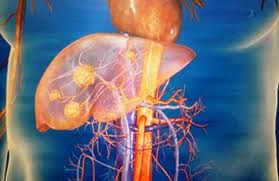
Medworld India offers comprehensive care for patients with Liver Cancer, including advanced diagnosis, best treatment options . A team of Surgical Oncologists, Radiation Oncologists, Medical Oncologists, Urologists, Rehabilitation team and other medical specialties work together to treat each Liver Cancer patient We consider each patient's type and extent of Liver Cancer to recommend the most appropriate treatment plan. They also carefully consider and select the treatment option that will allow the patient to maintain quality of life with good survival rate.

Why should you choose to get Indian hospitals offer the Best Cancer Treatment in India at affordable prices. MedWorld india associated Best Cancer Treatment Hospitals in India have the latest technology and infrastructure to offer the Most Advanced Cancer Treatment at low cost.

At MedWorld India Affiliated Best Cancer Hospitals are to deliver highest quality and advanced oncology care in a supportive and compassionate environment to all our patients, and to advance the treatment and prevention of cancers through innovative research.

MedWorld India Affiliated Best Cancer Hospitals in India offer:

Do we know what causes liver cancer ? Can liver cancer be prevented .

Although several risk factors for hepatocellular cancer are known , exactly how these may lead normal liver cells to become cancerous is only partially understood.
Cancers develop when the DNA of cells is damaged. DNA is the chemical in each of our cells that makes up our genes – the instructions for how our cells function. We usually look like our parents because they are the source of our DNA. But DNA affects more than how we look. Some genes have instructions for controlling when cells grow, divide into new cells, and die. Genes that help cells grow and divide are called oncogenes. Genes that slow down cell division or cause cells to die at the right time are called tumor suppressor genes. Cancers can be caused by DNA changes that turn on oncogenes or turn off tumor suppressor genes. Several different genes usually need to have changes for a cell to become cancerous.

Certain chemicals that cause liver cancer, such as aflatoxins, are known to damage the DNA in liver cells. For example, studies have shown that aflatoxins can damage the TP53 tumor suppressor gene, which normally works to prevent cells from growing too much. Damage to the TP53 gene can lead to increased growth of abnormal cells and formation of cancers. Infection of liver cells with hepatitis viruses can also damage DNA. These viruses have their own DNA, which carries instructions on how to infect cells and produce more viruses. In some patients, this viral DNA can insert itself into a liver cell's DNA, where it may affect the cell's genes. But scientists still don't know exactly how this might lead to cancer.

Although scientists are starting to understand how liver cancer develops, much more must be learned. Liver cancer clearly has many different causes, and there are undoubtedly many different genes involved in its development. It is hoped that a more complete understanding of how liver cancers develop will help doctors find ways to better prevent and treat them.

Liver cancersymptoms

Like many types of cancer, liver cancer symptoms often do not appear in the early stages. As a result, liver cancer tends to be diagnosed at a more advanced stage.
Because there are no widely recommended routine screening tests for liver cancer, people with a family history of the disease or other risk factors should talk with their doctor about steps they can take to monitor or reduce their risk.


The symptoms of liver cancer may be different for each person and any one of these symptoms may be caused by other, benign conditions.
When present, common liver cancer symptoms may include:
  • Weight loss not associated with changes in diet.
  • Decrease in appetite or a feeling of fullness after a small meal.
  • Nausea and vomiting not associated with other known conditions.
  • General weakness and/or fatigue that is persistent, ongoing weakness or fatigue.
  • Fever that is unrelated to other conditions.
  • Pain occurring in the upper abdomen on the right side or near the right shoulder blade.
  • Enlarged liver (hepatomegaly) felt as a mass under the ribs on the right side.
  • Enlarged spleen felt as a mass under the ribs on the left side.
  • Abdominal swelling (ascites) or bloating in the abdomen can occur as a mass forms.
  • Jaundice, which appears as yellowing of the skin and eyes. Jaundice occurs when the liver is not functioning properly.
Many of the above mentioned symptoms are similar to other types of benign liver infections or diseases. In the case of liver cancer, the symptoms will continue to evolve and worsen as the disease advances. It is important to see a doctor for an accurate diagnosis if you have any of the above signs of liver cancer.
In rare cases, other disorders may develop as a result of liver cancer, especially in the early stages of the disease. Paraneoplastic syndromes cause symptoms in other parts of the body. Awareness of these symptoms may help with diagnosing liver cancer.
Some paraneoplastic syndromes related to liver cancer include:
  • Hypercalcemia: High blood calcium levels
  • Hypoglycemia: Low blood sugar levels
  • Erythrocytosis: High red blood cell count
  • Hypercholesterolemia: High cholesterol levels
  • Gynecomastia: Breast enlargement
  • Shrinking of testicles in men
For more information visit:          http://www.medworldindia.com       
                    
https://www.facebook.com/medworld.india

Please scan and email your medical reports  to us at care@medworldindia.com and we shall get you a Free Medical Opinion from India’s Best Doctors.

Call Us : +91-9811058159
Mail Us : care@medworldindia.com


Thursday, 2 January 2014

What You Need To Know About Uterine Cancer - Uterine Cancer Treatment in India

The uterus, or womb, is part of a woman's reproductive system. It's about the size and shape of a hollow, upside-down pear. The uterus sits low in the abdomen between the bladder and rectum and is held there by muscle. It's joined to the vagina (birth canal) by the cervix, which is the neck of the uterus. The uterus is where a foetus grows.

  1. Myometrium: the outer layer of muscle tissue. This makes up most of the uterus.
  2. Endometrium: the inner layer or the lining of the uterus.
In a woman of childbearing age, the endometrium changes in thickness each month to prepare for pregnancy. If the egg isn't fertilised, the lining is shed and flows out of the body through the vagina. This flow is known as a woman's period (menstruation).
When a woman releases an egg from her ovary (ovulates), the egg travels down her Fallopian tube into the uterus. If the egg is fertilised by a sperm, it will implant itself into the lining of the uterus and grow into a baby.

Menopause occurs when a woman no longer releases the hormones that cause ovulation and menstruation. A menopausal woman's periods stop, and she's not able to become pregnant. The uterus becomes smaller and the endometrium becomes thinner and inactive. 


The most common cancer of a reproductive system of a woman is known as uterine cancer. This cancer starts in cell layers that form the lining of the uterus. This cancer can be detected in its early stage as it causes abnormal vaginal bleeding. The surgical removal of the uterus can cure uterine cancer.


Sarcoma: Sarcoma cancer grows in the supporting tissues of the uterine glands or in the myometrium. This cancer accounts for 2-4% of uterine cancers.
Adenocarcinoma: This cancer is considered as the main type of uterine cancer that grows from the cells in the uterus lining. Endometrial cancer is the other name of this cancer.
The Symptoms of Uterine Cancer include :
·         Unusual Vaginal Bleeding or Discharge
·         Trouble Urinating
·         Pelvic Pain
·         Pain during sexual intercourse
·         Discomfort or pain in the lower abdomen

Diagnosis of  Uterine Cancer
  • Pelvic Exam : Doctor checks your uterus, vagina, and nearby tissues for any lumps or changes in shape or size.
  • Physical Exam : A Thorough Medical History and Physical Examination is done
  • Ultrasound : An Ultrasound device uses sound waves that can't be heard by humans. The sound waves make a pattern of echoes as they bounce off organs inside the pelvis. The echoes create a picture of your uterus and nearby tissues. The picture can show a uterine tumor. For a better view of the uterus, the device may be inserted into the vagina (transvaginal ultrasound).
  • Biopsy : The removal of tissue to look for cancer cells is a biopsy. A thin tube is inserted through the vagina into your uterus. Your doctor uses gentle scraping and suction to remove samples of tissue. A pathologist examines the tissue under a microscope to check for cancer cells. In most cases, a biopsy is the only sure way to tell whether cancer is present.


  • Surgery :During exploratory surgery, oncopathologist, who specialize in tissue study examine the cancer tissue so that gynaeoncologist can determine how much tissue to remove. In most cases, gynaeoncologist will recommend a hysterectomy (removal of the uterus) or a complete hysterectomy (removal of the uterus, fallopian tubes and ovaries). To find out whether the cancer has spread, gynaeoncologist also removes tissue from the lymph nodes near the uterus and other abdominal sites.
  • ChemotherapyCertain types of chemicals are used for killing the cancer cells. One or more chemotherapy drugs may also be combined. The injection of these drugs can be done either through the mouth or into the veins. Women who are suffering from recurrent or advanced stage of uterine cancer that has spread beyond the uterus are treated with the help of chemotherapy. The drugs then enter into the bloodstream that moves in the entire body for destroying the cancer cells.
  • Radiation therapyHigh-energy radiation beams are used in this therapy for killing the cancer cells. Radiation therapy is also recommended for reducing the risk of recurrence after surgery. Also this therapy is also beneficial after surgery for shrinking the tumor so that can be easily removed. This therapy may involve –
    • Radiation given within the body : This involves the placement of a radiation-filled device like a cylinder, small seeds or wires within the vagina for a short duration. This process is known as internal radiation or Brachytherapy.
    • Radiation given through a machine outside the body : This process makes use of machine that is placed outside the body. The radiation is then directed at a specific point in the body and this process is known as external beam radiation.
  • Hormone therapy Gynaeoncologist may recommend progestin (synthetic progesterone) to help stop the cancer from spreading. Patient may take progestin with other medications.


For more information visit:          http://www.medworldindia.com        
                    
https://www.facebook.com/medworld.india

Please scan and email your medical reports  to us at care@medworldindia.com and we shall get you a Free Medical Opinion from India’s Best Doctors.

Call Us : +91-9811058159
Mail Us : care@medworldindia.com


Contact Form

Name

Email *

Message *