Showing posts with label Ovarian cancer surgery india. Show all posts

Thursday, 31 July 2014

Ovarian cancer symptoms: What you need to know


Ovarian cancer has long been called "The Silent Killer", because it usually isn't discovered until its advanced stages.  In 70-75% of cases the cancer has spread to other parts of the abdomen before it is detected.  However, the truth is that early-stage ovarian cancer often does produce symptoms – but they are subtle.

Just How Common Is Ovarian Cancer?
It is relatively rare, accounting for about 3 percent of all cases of cancer in women. In general, your chances of getting ovarian cancer are 1 in 58 (compared to 1 in 7 for breast cancer), but the odds worsen as various risk factors are considered.
Why Should I Worry About Ovarian Cancer?
You shouldn’t worry about it – but you should be aware of it and take the steps to detect it at a stage when the chance of a cure is high. When this cancer is found early and in still in the ovaries, there’s a 90 to 95 percent chance the patient will survive five years. When it is detected at an advanced stage, the five-year survival rate drops to 18 percent.
At What Age Is Ovarian Cancer Most Likely to Be Found?
It is most often found in women between the ages of 40 and 70 – and women between 50 and 59 are in the high-risk group – but it sometimes strikes women in their 20s. In fact, the Julie Merle Epstein Cancer Fund at UConn Health was created to honor the memory of Julie, a woman who died from ovarian cancer at the age of 28.
I Have a Pap Test Each Year. Will It Detect Ovarian Cancer?
No. The Pap test detects cancer of the cervix, not cancer of the ovaries.
What Should I Do to Detect Ovarian Cancer?
The best precaution is to have a complete pelvic exam done every year by a physician who is aware of your family and medical history. It is especially important for your doctor to be aware of any factors that place you at high risk for this disease.
The most important is a family history of ovarian cancer – a mother, sister, or grandmother who had it. A history of breast or colorectal cancer increases your risk, as does infertility or never having given birth to a living child. The use of birth control pills or having several children is associated with a lower risk for ovarian cancer.
The problem with ovarian cancer is that many of the symptoms are easily confused with digestive disorders and bladder problems, so the cancer goes unrecognized until it's advanced.

Many women with ovarian cancer realize they were experiencing unexplained symptoms for months, even years, before their cancer was diagnosed. Recently, researchers found that ovarian cancer could be detected using a blood test in combination with a simple screening. Women should check with their doctors if they notice one or more of these symptoms:
·         Pelvic or abdominal pain
·         Increased abdomen size or bloating
·         Feeling constantly full or having difficulty eating
Of course, these symptoms are common to many conditions. But if the symptom is new, and persists over time, talk to your doctor.
Other signs reported by ovarian cancer patients:
·         Abdominal cramping
·         An urgent need to urinate
·         Urinary burning or discharge
·         Indigestion or nausea that persists over a long period of time
·         Frequent episodes of gas
·         Unexplained constipation
·         Unexplained increase in waist size "“ i.e. you can't zip up your jeans
·         Pain during sex
·         Lower back pain
·         Menstrual changes such as more pain during periods or heavier bleeding
·         Lack of energy
Those with a family history of breast or ovarian cancer should be even more vigilant; talk to your doctor about genetic screening and be alert to any new symptoms in the pelvic area.
Services for Women at Higher Risk
Although researchers are trying to find ways to identify “tumor markers” (substances in the blood or urine that may reveal cancer before symptoms develop), there currently is no screening exam to detect this cancer in women without symptoms.
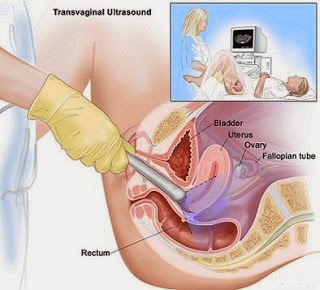
However, women at higher risk can take advantage of frequent screening tests, including transvaginal ultrasound of the ovaries and in some cases, blood tests. 
If cancer is suspected, exploratory surgery may be done so the doctor can see the ovaries and take tissue samples. If tests of the samples reveal cancer, then appropriate surgery is the initial phase of treatment, after which chemotherapy may be used.
For more information visit:          http://www.medworldindia.com        
                    
https://www.facebook.com/medworld.india

Please scan and email your medical reports  to us at care@medworldindia.com and we shall get you a Free Medical Opinion from India’s Best Doctors.

Call Us : +91-9811058159
Mail Us : care@medworldindia.com


Monday, 23 June 2014

Ovarian Cancer has been called the "silent killer" !!!

Historically, ovarian cancer has been called the "silent killer" because symptoms often become apparent only when the cancer has spread and is harder to treat.
                           
However, recent medical studies show symptoms often do exist for ovarian cancer, even in its early stages. The most common include bloating, pelvic or abdominal pain, trouble eating or feeling full quickly, and urinary symptoms, such as the need to go urgently or frequently.
Trouble is, these symptoms are relatively common and associated with a number of different health problems, from irritable bowel syndrome to urinary tract infections. They are more likely to be due to other, less serious problems.
But if you have these symptoms almost daily for more than a few weeks, report them to your health care professional right away.
When ovarian cancer is found early, while it is still confined to the ovary, about 93% of patients live longer than 5 years after diagnosis. Unfortunately, only about 20% of ovarian cancers are found at this early stage.
See a doctor if you have persistent symptoms like the ones described above, and get regular women’s health exams. While most early ovarian tumors are difficult for even the most skilled doctor to feel during a pelvic exam, an exam may help identify other cancers or gynecologic conditions. Women should discuss the need for these exams with their doctor.
In addition to paying attention to symptoms and getting regular exams, there are steps women can take to protect themselves from ovarian cancer:

  Know your family history. About 10% to 15% of ovarian cancers result from an inherited genetic tendency to develop the disease. Have candid conversations with your relatives about the health problems that run in your family (especially breast, ovarian, and colon cancers), and discuss your family history with your doctor. You may need closer follow-up, depending on your situation. 
  Eat a healthy diet to help control weight, since being very overweight (obese) may raise ovarian cancer rise. Eat at least 5 servings of fruits and vegetables every day, as well as several servings of whole grain foods from plant sources such as breads, cereals, grain products, rice, pasta, or beans. Limit the intake of red meat and processed meats. 
Get regular physical activity as another way to help control your weight.
Limit alcohol consumption to no more than 1 drink per day. Alcohol use is linked to an increased risk of a certain type of ovarian cancer. 


·    Exploratory Surgery : This surgery is performed for confirming the diagnosis of ovarian cancer.

·    Ultrasound : High-frequency sound waves are produced in order to get precise images of the structures inside the body.

·    Blood Tests : CA 125 blood test is performed for those women who are suspected of having ovarian cancer or previously had ovarian cancer. This blood test helps in detecting a protein antigen that can be found at abnormally high levels in the blood serum of those women who have ovarian cancer.

·    Positron Emission Tomographic Scan (PET) : This test helps in defining those areas that altered blood supply and also helps in identifying cancer.

·    Upper G.I. and Lower G.I. Scopy : It helps in ruling out the primary cancer present in G.I. tract.

·    CT scan : This helps in generating two dimensional images of the body that may show whether the cancer has spread.

·    Mammography : Metastatic tumors can be ruled out with this test.

·    Magnetic Resonance Imaging (MRI) : Magnetic energy is used for generating highly detailed images of the anatomy such as tumors.


Three types of surgeries are involved in treating ovarian cancer such as :–

·    Laparoscopy : Gynaeoncologist perform laparotomy through a large abdominal incision, most often removing your ovaries, uterus, fallopian tubes, nearby lymph glands, a fold of fatty tissue called the omentum and as much of the tumor as possible.

·    Frozen Section Tissue Analysis : The rapid analysis of the tissue is done under a microscope. The nature of the tumor is determined as whether it is cancerous or non-cancerous that also helps surgeons to perform a suitable procedure during the first surgery.

·    Laparotomy : This procedure is used by making a large abdominal incision. This incision is done for removing uterus, ovaries, Fallopian tubes surrounding lymph glands, omentum (a fold of fatty tissue) and tumor. Cytoreductive or debulking surgery is another name for this surgery.

Chemotherapy

After surgery, you'll most likely be treated with chemotherapy - drugs designed to kill any remaining cancer cells. Chemotherapy may also be used as the initial treatment in some women with advanced ovarian cancer. Chemotherapy drugs can be administered in a vein (intravenously) or injected directly into the abdominal cavity, or both methods of administering the drugs can be used. Chemotherapy drugs can be given alone or in combination.

Radiation therapy

Radiation therapy uses high-energy beams to kill cancer cells. The use of radiation therapy to treat ovarian cancer has declined in recent years, but Gyneconcologist use it in certain cases, such as when patient have a recurrence of cancer at the original site or if she can't tolerate chemotherapy. Gyneconcologist may use whole abdominal radiation to treat ovarian cancer that remains or recurs in the abdomen.


Tuesday, 10 June 2014

The Treatment of Ovarian Cancer Depends on the Stage of the Cancer- Advanced Ovarian Cancer Treatment in India

As with all other cancers, the decision to pursue a particular avenue of ovarian cancer treatment depends largely on the stage of the cancer at diagnoses. Additionally, any ovarian cancer treatment decision should take place through close and open lines of communication between both the oncologist and patient

  • The difficulty in diagnosing ovarian cancer in the early stages is due to the lack of specific symptoms. Early-stage ovarian cancer does not cause obvious symptoms. By the time symptoms become noticeable, the cancer has grown and metastasized. The symptoms of ovarian cancer are often overlooked or attributed to other conditions such as depression or irritable bowel syndrome. Symptoms commonly include abdominal pressure, bloating or swelling, discomfort or pain in the pelvis, or urinary urgency. Additional symptoms may include indigestion, flatulence, nausea, appetite loss, changes in bowel or bladder habits, pain during intercourse, lack of energy, low-back pain and menstrual changes. Symptoms caused by ovarian cancer persist longer than two weeks and are unresponsive to antibiotics or other treatments.

Risk factors and causes


·         Scientists continue to study the genes responsible for familial ovarian cancer. This research is beginning to yield clues about how these genes normally work and how disrupting their action can lead to cancer. This information eventually is expected to lead to new drugs for preventing and treating familial ovarian cancer. Research in this area has already led to better ways to detect high-risk genes and assess a woman's ovarian cancer risk. A better understanding of how genetic and hormonal factors (such as oral contraceptive use) interact may also lead to better ways to prevent ovarian cancer.

Surgery
Three types of surgeries are involved in treating ovarian cancer such as :–
Chemotherapy
After surgery, you'll most likely be treated with chemotherapy - drugs designed to kill any remaining cancer cells. Chemotherapy may also be used as the initial treatment in some women with advanced ovarian cancer. Chemotherapy drugs can be administered in a vein (intravenously) or injected directly into the abdominal cavity, or both methods of administering the drugs can be used. Chemotherapy drugs can be given alone or in combination.
Radiation therapy
Radiation therapy uses high-energy beams to kill cancer cells. The use of radiation therapy to treat ovarian cancer has declined in recent years, but Gyneconcologist use it in certain cases, such as when patient have a recurrence of cancer at the original site or if she can't tolerate chemotherapy. Gyneconcologist may use whole abdominal radiation to treat ovarian cancer that remains or recurs in the abdomen.                                                                                                                                                                                                                              For more information visit:          http://www.medworldindia.com                                  https://www.facebook.com/medworld.india                                                                                                                                                         Please scan and email your medical reports  to us at care@medworldindia.com and we shall get you a Free Medical Opinion from India’s Best Doctors.

Call Us : +91-9811058159
Mail Us : care@medworldindia.com


Wednesday, 7 May 2014

Symptoms and Diagnosis of Ovarian Cancer - Best Cancer Hospital in India

Ovarian cancer is a type of cancer that begins in the ovaries. Women have two ovaries, one on each side of the uterus. The ovaries - each about the size of an almond - produce eggs (ova) as well as the hormones estrogen, progesterone. Ovarian cancer often goes undetected until it has spread within the pelvis and abdomen. At this late stage, ovarian cancer is difficult to treat and is often fatal. Ovarian cancer is a type of cancer that begins in the ovaries. Women have two ovaries, one on each side of the uterus. The ovaries — each about the size of an almond — produce eggs (ova) as well as the hormones estrogen, progesterone and testosterone. Ovarian cancer often goes undetected until it has spread within the pelvis and abdomen. At this late stage, ovarian cancer is difficult to treat and is often fatal.


Most women will not notice any symptoms as it can take a long time for symptoms to occur. When symptoms do appear, they can be mild, vague or do not go away (persistent). They can include:
  •         Bloated feeling
  •          Persistent swollen abdomen
  •          Pain or dragging sensation in your lower abdomen or side
  •          Vague indigestion or nausea
  •          Poor appetite and feeling full quickly
  •          Changes in your bowel or bladder habits; for example, constipation or needing to             pass water urgently
  •          Abnormal vaginal discharge or bleeding (rare)


Even though these symptoms can be caused by complaints other than cancer, do have them checked by your doctor.


Screening
Testing for ovarian cancer when you have no symptoms is called screening. There is no national ovarian screening programme in Ireland at present. Talk to your GP if you feel you or your family are at risk. Cervical screening tests (smear tests) will not pick up signs of ovarian cancer.
Diagnosis
Ultrasound of abdomen: An ultrasound uses sound waves to build up a picture of the tissues inside your body. A gel is spread over the area to be scanned first. A probe that makes sound waves is then used to take the scan. The sound waves are converted into a picture by a computer and can show up any abnormal tissues.

Transvaginal ultrasound: This is a special type of ultrasound. A small metal device called a probe is put into your vagina first. It looks like a microphone and is covered with a gel. By doing the test in this way, clear pictures of your womb and ovaries can be seen. This test is not painful but may be a little uncomfortable.

Laparoscopy: This is a small operation done in theatre under general anaesthetic. Your doctor will make a small cut in your lower abdomen near your belly button. He or she will then put a thin mini-telescope called a laparoscope into the wound. By looking through the laparoscope, your doctor can see your ovaries and take a small sample of tissue (biopsy) to be examined.

Special blood test: A blood test called CA125 is usually done. CA125 is a chemical found in blood that is sometimes released from ovarian cancer cells. It is known as a tumour marker for ovarian cancer. Not all women with ovarian cancer will have a raised CA125.
Special tests
These may include:
·         CT scan
·         PET scan
·         MRI scan
These scans can help to stage the cancer. This means finding out the size of the cancer and if it has spread anywhere else. This can help your doctor to decide on the right treatment for you.


Indian Hospitals gives women with ovarian cancer access to the latest in cancer treatment. For example, Indian surgeons use fertility-sparing surgery, minimally and robotic surgery in select cases, when app minimally invasive surgery — also called laparoscopic surgery — for several conditions. In minimally invasive procedures, your doctor makes one or more incisions, each about a half-inch long, to insert a tube. The number of incisions depends on the type of surgery. The tube or tubes let the doctor slip in tiny video cameras and specially designed surgical instruments to perform the procedure.


When you have minimally invasive surgery, you're likely to lose less blood and have less postoperative pain, fewer and smaller scars, and a faster recovery than you would after open surgery. Depending on your condition, you may need only a short hospital stay. For some conditions, your doctor may recommend robotic surgery. That technology gives your doctor great precision, flexibility and control by providing a magnified, 3-D view of the surgical site.

Most Advanced Ovarian Cancer Care and Treatment in India - Best Cancer Hospitals of India for Advanced Ovarian Cancer Treatment


Medworld India offers comprehensive care for patients with Ovarian Cancer, including advanced diagnosis, best treatment options . A team of Surgical Oncologists, Radiation Oncologists, Medical Oncologists, Urologists, Rehabilitation team and other medical specialties work together to treat each Ovarian Cancer patient We consider each patient's type and extent of Ovarian Cancer to recommend the most appropriate treatment plan. They also carefully consider and select the treatment option that will allow the patient to maintain quality of life with good survival rate.


Why should you choose to get Indian hospitals offer the Best Cancer Treatment in India at affordable prices. MedWorld india associated Best Cancer Treatment Hospitals in India have the latest technology and infrastructure to offer the Most Advanced Cancer Treatment at low cost.


At MedWorld India Affiliated Best Cancer Hospitals are to deliver highest quality and advanced oncology care in a supportive and compassionate environment to all our patients, and to advance the treatment and prevention of cancers through innovative research.


MedWorld India Affiliated Best Cancer Hospitals in India offer:


  •          World class results for Cancer Treatment
  •          World Class equipment for investigations, radiotherapy and surgery
  •          Cancer specialists with great qualifications and experience
  •          India has many super specialists ( specialization in one particular area: Breast Cancers,      Stomach Cancers, Prostate Cancers, etc)
  •          Low cost of cancer treatment
  •          India offers the perfect combination of expertise and economical costs
For more information visit:          http://www.medworldindia.com     
                    
https://www.facebook.com/medworld.india
  
    Please scan and email your medical reports  to us at care@medworldindia.com and we shall get you a Free Medical Opinion from India’s Best Doctors.

Call Us : +91-9811058159
Mail Us : care@medworldindia.com

Monday, 3 March 2014

Ovarian Cancer Treatment in India: A woman's lifetime risk of dying from ovarian cancer is 2.1 per cent.

Ovarian cancer is a type of cancer that begins in the ovaries. Women have two ovaries, one on each side of the uterus. The ovaries - each about the size of an almond - produce eggs (ova) as well as the hormones estrogen, progesterone. Ovarian cancer often goes undetected until it has spread within the pelvis and abdomen. At this late stage, ovarian cancer is difficult to treat and is often fatal. 

Ovarian cancer is a type of cancer that begins in the ovaries. Women have two ovaries, one on each side of the uterus. The ovaries — each about the size of an almond — produce eggs (ova) as well as the hormones estrogen, progesterone and testosterone. Ovarian cancer often goes undetected until it has spread within the pelvis and abdomen. At this late stage, ovarian cancer is difficult to treat and is often fatal.


What are the symptoms?

Symptoms of ovarian cancer are not specific to the disease, and they often mimic those of many other more-common conditions, including digestive and bladder problems. When ovarian cancer symptoms are present, they tend to be persistent and worsen with time.

Ovarian Cancer  Treatment in India: A woman's lifetime risk of dying from ovarian cancer is 2.1 per cent.

It is one of the most common cancers in women after breast and cervix cancer. It is called a 'silent killer' as it is asymptomatic in early stages and 85 per cent of cases are diagnosed in the advanced stage. A woman's lifetime risk of dying from ovarian cancer is 2.1 percent.

What constitutes ovarian cancer?

It largely means tumours of epithelial origin, but it can also arise from other elements namely germ cells and stroma. Epithelial ovarian cancers typically occur in postmenopausal women and are in advanced stage at the time of diagnosis, whereas germ cell tumours occur at a young age, are detected in the early stages and are completely curable.


How is it diagnosed?
  • Exploratory Surgery : This surgery is performed for confirming the diagnosis of ovarian cancer.
  • Ultrasound : High-frequency sound waves are produced in order to get precise images of the structures inside the body.
  • Blood Tests : CA 125 blood test is performed for those women who are suspected of having ovarian cancer or previously had ovarian cancer. This blood test helps in detecting a protein antigen that can be found at abnormally high levels in the blood serum of those women who have ovarian cancer.
  • Positron Emission Tomographic Scan (PET) : This test helps in defining those areas that altered blood supply and also helps in identifying cancer.
  • Upper G.I. and Lower G.I. Scopy : It helps in ruling out the primary cancer present in G.I. tract.
  • CT scan :This helps in generating two dimensional images of the body that may show whether the cancer has spread.
  • Mammography : Metastatic tumors can be ruled out with this test.
  • Magnetic Resonance Imaging (MRI) : Magnetic energy is used for generating highly detailed images of the anatomy such as tumors.
Are all ovarian masses cancers?

All masses in the ovary are not cancers. TVU helps distinguish benign from malignant ovarian cysts. Complex cysts, defined as cysts with both solid and cystic components, septations and echogenicity, are malignant and require exploration. In contrast simple cysts that are thin walled, less than 5-10 cm and without septations are usually benign.

Can we detect  early?

Screening for ovarian cancer has not been successful as natural history of ovarian cancer is not well understood. There is no well-defined precursor lesion and the length of time from localised tumour to dissemination is unknown. Multiple efforts are underway to develop effective screening methods. Pelvic examination, CA 125, and TVU with Doppler are studied as screening methods in high-risk individuals.

Is ovarian cancer genetic?

Around 5-10 per cent of patients carry germline mutation. Breast-ovarian cancer syndrome accounts for approximately 90 per cent of hereditary ovarian cancer and is suspected whenever there are multiple affected family members with , bilateral or early onset breast cancer, both breast and ovarian cancer in the same individual, or a male relative with breast cancer.


What are the treatment of Ovarian Cancer modalities?

Ovarian Cancer Treatment depends on the age, stage, tumour type and the desire to preserve fertility. Surgery and chemotherapy is the mainstay of treatment.


How do I prevent?

Chemoprevention is by oral contraceptives. Surgical prevention is by bilateral oophorectomy, tubal ligation and hysterectomy. Risk-reducing bilateral  oophorectomy is strongly recommended in women who carry germline mutation for hereditary ovarian cancer, because of high mortality of ovarian cancer and lack of effective screening and preventive approaches. 

Fortunately, risk of ovarian cancer does not rise dramatically until the late 30s in women with germline mutation, so women have the opportunity to complete their family prior to surgery. Since ovarian cancer is one of the common cancers in women and there are no effective population screening methods, high index of suspicion is necessary for early diagnosis. With the new trends in chemotherapy, survival is increasing in ovarian cancer patients and awareness is necessary among the public for seeking early medical attention.

Latest and Advanced Minimally Invasive Surgery for Ovarian Cancer in India

Indian Hospitals gives women with ovarian cancer access to the latest in cancer treatment. For example, Indian surgeons use fertility-sparing surgery, minimally and robotic surgery in select cases, when app minimally invasive surgery — also called laparoscopic surgery — for several conditions. In minimally invasive procedures, your doctor makes one or more incisions, each about a half-inch long, to insert a tube. The number of incisions depends on the type of surgery. The tube or tubes let the doctor slip in tiny video cameras and specially designed surgical instruments to perform the procedure.

When you have minimally invasive surgery, you're likely to lose less blood and have less postoperative pain, fewer and smaller scars, and a faster recovery than you would after open surgery. Depending on your condition, you may need only a short hospital stay. For some conditions, your doctor may recommend robotic surgery. That technology gives your doctor great precision, flexibility and control by providing a magnified, 3-D view of the surgical site.


For more information visit:          http://www.medworldindia.com       
                    
https://www.facebook.com/medworld.india

Please scan and email your medical reports  to us at care@medworldindia.com and we shall get you a Free Medical Opinion from India’s Best Doctors.

Call Us : +91-9811058159
Mail Us : care@medworldindia.com


Contact Form

Name

Email *

Message *