Showing posts with label Brain Tumour Cancer in india. Show all posts

Wednesday, 15 April 2015

Advantages of Next Generation Technology over Conventional Neurosurgery to Remove Brain Tumor

MRI Guided Brain Tumor Surgery - Most Advanced Brain Tumor Surgery in IndiaA brain tumor is a group (mass) of abnormal cells that start in the brain. Primary brain tumors can arise from the brain cells, the membranes around the brain, nerves, or glands.
Tumors can directly destroy brain cells. They can also damage cells by producing inflammation, placing pressure on other parts of the brain, and increasing pressure within the skull. The cause of primary brain tumors is unknown. There are many possible risk factors that could play a role.
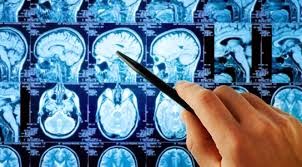
Advanced imaging technique now developed to enable Neurosurgeons with intra-operative MRI to aid in the removal of complex and hard-to-access brain tumors during surgery. This new technique relies on a powerful computer system, which assists the surgeon in precisely localizing a lesion, in planning each step of the procedure on the computer screen, and in calculating the ideal access to the tumour before the operation.
This is particularly useful in reaching a tumour located deep inside the brain, areas traditionally considered to be difficult to reach. During the procedure, the computer tracks instrument movement with an extremely high precision, providing the surgeon with total control inside the brain at all times using "real-time" imaging. The surgeon can also check if the tumor has been removed as planned. This improves the outlook for the patient.
“BRAIN SUITE” in India – Amongst very few such facilities worldwide
It is the most advanced Neuro-Surgical Operating Room with high field MR. This system permits the neurosurgeon to have an MRI study on the patient during surgery, and if tumor has remained which was hidden to the human eye, can be detected by special MRI sequences, and can be targeted using neuro navigation (which works on the same principle as the GPS system).
The Brain Suite has two main parts. There is a high-intensity MRI scanner integrated with an image-guided surgical system. The MRI scanner has a wide-bore opening allowing a patient to lie on his or her side. Previously, tumors that could only be accessed from the side of the skull were not easy to scan. This special MRI system lets doctors repeat scans during the operation to get more accurate information on the location, shape and size of the tumor. This minimizes problems associated with brain tumors shifting during excision.
Advantages of Next Generation Technology over Conventional Neurosurgery to Remove Brain Tumor:-

Wednesday, 24 September 2014

Advanced Technology for Brain Tumor : Best Cancer Hospitals in India offer the World's Advanced Brain Tumor Treatment in India

Indian Hospital are providing comprehensive medical and surgical care for patients with disorders of the brain, brain tumor surgery is routinely carried out with results at par with the best centers globally. As we all know that India is now becoming a medical hub and a growing destination for Brain Tumor surgery. Hospitals of brain tumor surgery India provides international quality of medical healthcare services by the best brain surgeons in India who are equipped with the most advanced medical treatment and brain tumor healing techniques. 

Brain tumor is one an abnormal mass of tissue in which cells grows and multiply, seemingly unchecked by the mechanisms that control normal cells. Indian Neurologists and Neurosurgeons are supported by the most extensive neuro-diagnostic and imaging facilities including Asia's most advanced MRI and CT technology. Along with providing general diagnostic X-ray imaging, Hospitals of brain tumor surgery in India offers you a magnitude of imaging services like EEG, EMG, Sensation 10 CT Scanner, Functional MRI with Spectro-scopy, OPMI Multivision etc.

Treatment

People diagnosed with a CNS tumor generally need to seek treatment as soon as possible. The pressure caused by a growing CNS tumor can cause severe symptoms, including a backup of CSF and problems with blood circulation, which can damage delicate nerves and deprive cells of nourishment.

Treating brain and spinal cord tumors can be difficult. The blood-brain barrier, which normally serves to protect the brain and spinal cord from damaging chemicals entering those structures, also keeps out many types of potentially beneficial chemotherapeutic drugs. Surgery can be difficult if the tumor is near a delicate portion of the brain or spinal cord. Radiation therapy can damage healthy tissue. However, research in the past two decades has improved the survival rates of patients with brain tumors. More refined surgeries, a better understanding of what types of tumors respond to chemotherapy, and precise delivery of radiation have resulted in a longer life span and better quality of life for patients with brain tumors.

Surgery

Surgery is the most common type of treatment for a brain tumor and is often the only treatment performed for a benign brain tumor. Even if the cancer cannot be cured, its removal can relieve symptoms if it is creating pressure on parts of the brain. There have been rapid advances in surgery for a brain tumor, including the use of cortical mapping and enhanced imaging devices to give surgeons more tools to plan and perform the surgery. For a tumor that is near the speech center, it is increasingly common to perform the operation under awake conditions. Typically, the patient is awakened once the surface of the brain is exposed, and special electrical stimulation techniques are used to locate the speech center and thereby avoid causing any damage while removing the tumor.

Surgery to the brain requires the removal of part of the skull, a procedure called a craniotomy. After the surgeon removes the tumor, the patient's own bone will be used to cover the opening in the skull. Gliadel wafers that deliver chemotherapeutic drugs (see below) require surgery to put the wafers in the tumor bed site. This may be done at the same time as a craniotomy.

In addition to removing or reducing the size of the brain tumor, surgery can provide a tissue sample for analysis. For some tumor types, the results of the analysis can help in showing if chemotherapy or radiation therapy will be useful.

Radiation therapy

Radiation therapy is the use of high-energy x-rays or other particles to kill cancer cells. Oncologists may use radiation therapy along with surgery to slow the growth of aggressive tumors. Radiation can be directed in the following ways:

The linear-accelerator machine provides external-beam radiation therapy from outside the body to target the tumor within the brain; this is becoming increasingly more precise with the addition of multileaf collimators (a device that restricts and confines the x-ray beam to a given treatment area).

In stereotactic radiosurgery, a computer assembles images from CT scans or MRI scans to locate the tumor and help direct the radiation. This may involve the use of an external head device to "marry" the patient's head/tumor location to the incoming radiosurgery beams.

Brachytherapy uses radioactive seeds implanted directly in the tumor site; however, this treatment technique is rarely used at this time for a brain tumor.

Radiation techniques

The following radiation techniques may be used:

Conventional radiation therapy. The treatment location is determined based on anatomic landmarks and x-rays. In certain situations, such as whole brain radiation therapy for brain metastases, this technique is appropriate. For more precise targeting, more elaborate techniques are required. Chemotherapy may be used in conjunction with this type of radiation therapy.

Three-dimensional conformal radiation therapy. Based on CT and MRI images, a three-dimensional model of the tumor and normal tissues is created on a computer. Beam size and angles are determined that maximize tumor dose and minimize normal tissue dose.

Stereotactic radiosurgery. Stereotactic radiosurgery involves delivering a single, high dose of radiation directly to the tumor and not healthy tissues. It works best for a tumor that is only in one area of the brain and certain benign tumors, but is also used for multiple metastatic brain tumors. There are three methods by which stereotactic radiosurgery is performed:
  • A modified linear accelerator is a machine that creates high-energy radiation by using electricity to form a stream of fast-moving subatomic particles.
  • A gamma knife is another form of radiation therapy that concentrates highly focused beams of gamma radiation on the tumor.
  • A cyber knife is a robotic device used in radiation therapy to guide radiation to the tumor target-particularly targets in the brain, head, and neck regions.
Fractionated stereotactic radiation therapy. Radiation therapy is delivered with stereotactic precision but divided into small daily fractions over several weeks using a relocatable head frame, in contrast to the one-day radiosurgery. This technique is used for tumors located close to eloquent or sensitive structures, such as the optic nerves or brain stem.

Intensity modulated radiation therapy (IMRT). Radiation therapy is delivered with greater intensity or dose to thicker areas of the tumor and with less intensity to thinner areas of the tumor. This is accomplished by placing tiny metal leaves in the beam to reduce the intensity of the beam in order to customize the shape of the dose to the shape of the tumor.

All of these more elaborate techniques are designed to achieve greater precision and minimize the dose to the surrounding normal brain tissue. Depending on the size and location of the tumor, the radiation oncologist may choose any of the above radiation techniques. In certain situations, a combination of two or more techniques is appropriate.
Very young children (younger than 5) are not usually appropriate candidates for radiation therapy because of high risk of damage to their developing brains.

Chemotherapy

Chemotherapy is the use of drugs to kill cancer cells. The goal of chemotherapy can be to destroy cancer remaining after surgery, slow the tumor's growth, or reduce symptoms.

Advanced/recurrent brain tumors

If, in spite of initial treatment, the brain tumor does not go into remission (the temporary or permanent disappearance of symptoms) or if it recurs, patients can still receive care to manage the symptoms caused by the tumor. Symptom management is always important since the symptoms of a brain tumor can interfere with quality of life.

Since a brain tumor is so rare, it can be hard for doctors to plan treatments unless they know what has worked in treating other patients with a brain tumor. Clinical trials are research studies that compare the standard treatments (the best treatments available) with newer treatments that may be more effective. Investigating new treatments involves careful monitoring using scientific methods and all participants are followed closely to track progress.

Due to advances in research, new drugs are being created to combat brain tumors. Many of these new drugs are called "small molecules" or "molecularly targeted therapies" because they are small in size (and can therefore be taken orally) and/or can attack a specific molecule or target within the brain tumor cells. These new drugs are being tested either alone or in combination with standard chemotherapy


Medical tourism in India is a boon for abroad patients who are searching for cost effective brain tumor surgery in India operated by the best Brain surgeons. Medical tourism companies has been providing valuable information and guidance regarding neurosurgery or brain tumor surgery in India to international patients as the number of patients having brain disorders have started coming to the neuro surgeons of India for brain tumor surgery at an affordable price. When it comes to price, abroad patients consider India as the best place for this surgery. Medical tourism has broad appeal as it is providing best medical healthcare facilities during this brain tumor surgery in India at very low cost as compare to western countries. 

International patients are looking forward to India just because of first class medical facilities at third class rates. Many of India's surgery hospitals and clinics offer international-standard brain tumor surgery in India at local prices, no waiting list and a high quality holiday. India is a land of art and culture and it is always seemed that abroad people are always attracted to it because of its variety.  
For more details on brain tumor surgery in India visit : www.medworldindia.com


Monday, 14 July 2014

Understanding Brain Tumors : Types , Symptoms and Treatment of Brain Tumors


The human brain is the hub of the nervous system. The function of the brain is to supervise and control the actions and reactions of the body. It controls the bodily functions as it obtains sensory information rapidly analyzes such data

Abnormal growth of cells within the brain or the central spinal canal is called brain tumor. Brain tumors can initiate anywhere from the brain cells, the membranes around the brain (known as meninges), nerves, or glands. Tumor causes inflammation, consequently placing pressure within the skull and compressing the brain tissues. Because of its insidious and infiltrative character in the intracranial cavity all such tumours are intrinsically serious and life-threatening.

Factors used to classify Brain tumors include the sites of the tumour, the type of tissues involved. They can either be cancerous or non-cancerous. Different types of brain tumors include:

·         Acoustic neurinoma : Benign tumor occurring in the 8th cranial nerve (the acoustic nerve) between the pons and the cerebellum. Possibly associated with neurofibromatosis. The term "acoustic neuroma" is actually a misnomer since it this a primary intracranial tumor of the myelin forming cells called "Schwann cells" (schwannoma).

·         Astrocytomas : represent the most common type of glioma. They develop from the supporting cells of the brain, which are star-shaped glial cells called astrocytes.

·         Oligodendroglioma : These are tumours that are made up of cells known as oligodendrocytes, which produce the fatty covering of nerve cells: the myelin sheath. They are usually slower-growing than astrocytic tumours.

·         Ependymoma : Tumor arising from the ependymal cells found along the ventricles and central canal of the spinal cord.

·         Brain stem glioma : The tumor occurs in the lowest part of the brain. Brain stem gliomas most often are diagnosed in young children and middle-aged adults.

·         Craniopharyngioma :This is a benign, congenital tumor. It is cystic and occurs primarily in children and adolescents. Craniopharyngiomas occur in the sellar region. They often involve the third ventricle, optic nerve, and pituitary gland. These are localized tumors that grow by expansion. Malignancy and metastasis are unknown.

·         Medulloblastoma : This tumor usually arises in the cerebellum. It is the most common brain tumor in children. It is sometimes called a primitive neuroectodermal tumor.

·         Meningioma : Benign tumor arising from the meninges, the membranes covering the brain and spinal cord. Meningiomas represent approximately 20% of all primary brain tumors and occur most commonly in middle-aged women.

·         Germ cell tumor of the brain : The tumor arises from a germ cell. Most germ cell tumors that arise in the brain occur in people younger than 30. The most common type of germ cell tumor of the brain is a germinoma.

Types of Brain Tumors

Meningioma
A meningioma is a slow-growing tumor that develops from the membrane that surrounds the brain and spinal cord. These tumors are usually benign but some may be malignant. However even "benign" tumors can grow and constrict and affect the brain, which may cause disability and may even be life threatening. Because meningiomas grow slowly, it may reach a relatively large size before it causes symptoms. Other meningiomas grow rapidly or have sudden growth spurts. Standard treatment is to remove the tumor, the portion of the lining of the brain or spinal cord where it is attached and any bone involved. Complete removal of the tumor is sometimes possible.

Pituitary Tumor
A pituitary tumor is an abnormal growth in the pituitary gland, the part of the brain that regulates the body's balance of hormones. The most common treatment for pituitary tumors is surgery. The decision to pursue surgical treatment depends on the type, location and size of tumor, and the patient's age and overall health. Most of the time, pituitary tumors can be removed through the nose and sinuses without an exernal incision. However, some tumors cannot be removed this way and will require removal through the skull with an incision in the scalp. Astrocytoma Tumors Astrocytoma tumors are the most common glioma, accounting for about half of all primary brain and spinal cord tumors.

Other symptoms for Brain Tumours can include:

·         Headaches
·         Nausea and/or vomiting
·         Difficulty speaking or remembering words
·         Disturbed vision, hearing, smell or taste
·         General irritability or a change in personality - this is sometimes noticed only by family or friends
·         Drowsiness

How is Brain Tumors Diagnosed?

·         Magnetic resonance imaging (MRI) scan. MRI is a technique that uses a magnetic field and radio waves to create detailed images of the brain. Sometimes a special dye is injected into the bloodstream to make tumors appear different from healthy tissue (MR angiography).
·         Computerized tomographies (CT) scan. A CT scan uses a sophisticated X-ray machine linked to a computer to produce detailed, two-dimensional images of the brain. A CT scan can be very helpful in certain types of tumors, especially ones close to or involving bone.
·         Other brain scans. Other tests - such as magnetic resonance spectroscopy (MRS), single-photon emission computed tomography (SPECT) or positron emission tomography (PET) scanning - help doctors gauge brain tumor activity and blood flow.
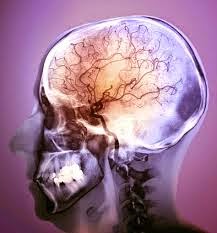
·         Angiogram. A special dye is injected into the arteries that feed the brain, making the blood vessels visible on X-ray. This test helps locate blood vessels in and around a brain tumor.
·         Biopsy - A biopsy involves removing a piece of the tumor for viewing under a microscope. Oncologist needs to know the tumor type and grade to plan proper treatment.


·         3-Dimensional Conformal Radiation Therapy (3D-CRT) and Intensity Modulated Radiation Therapy (IMRT):CT scan and MRI are used to delineate the tumour and computers are used for radiation planning. Only the tumour and the high-risk region surrounding the tumour is radiated, avoiding radiation to the normal structures in the brain.
·         Stereotactic Radio-surgery (SRS) and Stereotactic Radiotherapy (SRT): Highly precise immobilization and image guidance system is used for treatment of selected brain tumours . Stereotactic radio-surgery delivering high-dose of radiation in single or a very few sessions is performed in adults with tumours such as metastatic residual glioma, meningioma and schwannoma. Novalis-Tx and Cyberknife are advanced machines to deliver such high-precision therapy.
·         High-definition Rapid Arc: This is the latest software advancement in radiation planning technology. Radiation is delivered in continuous fashion moving the machine head and its small components simultaneously around the patient's head targeting the tumour by infinite small radiation beams.
·         Proton beam therapy: Proton therapy avoids spillage of radiation dose to the surrounding brain. It is preferred in children as well as in patients with recurrent tumours who have received radiation therapy earlier.


·         MRI Guided Brain Tumor Surgery - Advanced imaging technique now developed to enable Neurosurgeons with intra-operative MRI to aid in the removal of complex and hard-to-access brain tumors during surgery.
·         Gamma Knife Radio Surgery in India - Gamma knife radio surgery is a non-invasive procedure to treat benign and malignant brain tumors.


 For more information visit:          http://www.medworldindia.com         
                    https://www.facebook.com/medworld.india

Please scan and email your medical reports  to us at care@medworldindia.com and we shall get you a Free Medical Opinion from India’s Best Doctors.

Call Us : +91-9811058159
Mail Us : care@medworldindia.com

Sunday, 4 May 2014

Latest and Advanced Treatment options for Brain Tumor in India


A brain tumor is an abnormal growth of cells within the brain or the central spinal canal. Brain tumors can crop up from the brain cells, the membranes around the brain (known as meninges), nerves, or glands. These damage produce inflammation and places pressure within the skull and compresses the brain tissues. All such tumours are intrinsically serious and life-threatening because of its insidious and infiltrative character in the intracranial cavity.

The following types of brain tumours are seen commonly:

In children: Juvenile pilocytic astrocytoma, craniopharyngioma, medulloblastoma, brainstem glioma and germ cell tumours.

In adults: Astrocytoma, oligodendroglioma, ependymoma, meningioma, vestibular schwannoma and lymphoma. Cancers from other parts of the body can also spread to brain.

What are the common symptoms of brain tumours
 
  • Headaches, usually in the morning
  • Vomiting
  • Convulsions or seizures
  • Weakness in limbs
  • Loss of balance while walking
  • Altered speech or vision
  • Altered behaviour
  • Loss of orientation
  • Memory lapses


Imaging: CT scan or MRI scan of brain is commonly performed.

Biopsy: A piece of tumour is removed for examination by open surgery or in stereotactic fashion using rigid frame to fix skull and localizing tumour under guidance of CT scan or MRI.

How are brain tumours treated?

Brain tumours are treated by surgery, radiation therapy or chemotherapy, or a combination of these. The choice of treatment depends upon the age of the patient, type of tumour, its location, size and grade.

Surgery: Maximum safe resection of the tumour or at least a biopsy is the standard goal of surgery.

Radiation therapy: Radiation kills tumour cells with high energy X-rays, gamma rays or protons. It is usually started after surgery and given over 5-6 weeks.

Chemotherapy: Chemotherapy is the use of drugs to kill cancer cells. It is given orally or through veins. It is given concomitantly with radiation therapy in high-grade tumours. It is also given in recurrent brain tumours after failure of initial treatment.

The Advances Radiation Therapy for Brain Tumours

3-Dimensional Conformal Radiation Therapy (3D-CRT) and Intensity Modulated Radiation Therapy (IMRT):

CT scan and MRI are used to delineate the tumour and computers are used for radiation planning. Only the tumour and the high-risk region surrounding the tumour is radiated, avoiding radiation to
the normal structures in the brain.

Stereotactic Radio-surgery (SRS) and Stereotactic Radiotherapy (SRT): Highly precise immobilization and image guidance system is used for treatment of selected brain tumours. High dose of radiation is delivered only to the tumour with very minimal spillage of dose to the rest of the sensitive brain structures. Stereotactic radiotherapy is preferred in children. Stereotactic radio-surgery delivering high-dose of radiation in single or a very few sessions is performed in adults with tumours such as metastatic residual glioma, meningioma and schwannoma. Novalis-Tx and Cyberknife are advanced machines to deliver such high-precision therapy.

High-definition Rapid Arc: This is the latest software advancement in radiation planning technology. Radiation is delivered in continuous fashion moving the machine head and its small components simultaneously around the patient's head targeting the tumour by infinite small radiation beams. Radiation treatment with such a technique is highly precise and fast. This is preferred in children and elderly patients who cannot lie on treatment couches for long periods.


Proton beam therapy: Proton therapy avoids spillage of radiation dose to the surrounding brain. It is preferred in children as well as in patients with recurrent tumours who have received radiation therapy earlier.


Brain Tumor is no more a scary health condition as modern technology and advanced surgical modalities now offer near perfect clinical outcomes and the patients can soon return to normal life after surgery. 
  • Brain Suite - Intra-operative MR Navigation Microsurgery
  • Trans-Nasal Endoscopic Removal of brain Tumor through the nose
  • Stereotactic Radiosurgery - Gamma Knife & Novalis TX
  • Tumor Embolization using Neuro Interventional Radiology
  • CyberKnife Radiosurgery
For more information visit:          http://www.medworldindia.com        
                    
https://www.facebook.com/medworld.india

Please scan and email your medical reports  to us at care@medworldindia.com and we shall get you a Free Medical Opinion from India’s Best Doctors.

Call Us : +91-9811058159
Mail Us : care@medworldindia.com


Tuesday, 18 March 2014

Brain Cancer Surgery in India with most advance and best surgeons in the country

Brain Tumour had always been a dreaded disease because the chances of recovery and patient living a healthy life after the treatment were low. But with the advancement in technology, brain tumour surgery is no more a dreaded disease. Not only the patient is fully treated, but can lead a healthy life after the brain tumour surgery.

Medical technology in India has advanced over the last few years and the best of technology is now available in India for removal of brain tumours and rehabilitation of the patient after brain tumour surgery in India. Not only the cost is very low, the surgeons are among the best neurosurgeons in the world for brain tumour, the hospitals among the best hospitals for brain tumour surgery in India.

Indian corporate hospitals offer Brain Cancer Surgery in India with most advance and best surgeons in the country. Indian hospitals are comparable to hospitals anywhere in the world. In fact, India offers world-class medical facilities that are comparable with the US or UK. There is already a high concentration of expatriate Indian medical staff working in the US and UK, as well as many other countries. This gives patients confidence in the healthcare offered by India generally as they are already used to the expertise and professionalism of Indian medical staff. This is a major, but often overlooked factor in the growth of medical tourism and Brain Cancer Surgery in India.

If you are a brain cancer patient, you may be informed by your doctor that brain surgery is a necessity. 

Brain tumors have the capability of producing several different uncomfortable symptoms in the individual that has them. In today's medical field, technology is consistently improving and there is a heightened sense of awareness and knowledge when it comes to the biology of the tumors that affect the brain and surrounding regions. If you have brain cancer, or a tumor that has developed and is causing you health complications, you may comfortably look forward to a future filled with hope thanks to the many variations in brain cancer surgery procedures today. It is important to know and understand what happens in Brain Cancer Surgery. They are as follows:

If Surgery helps confirm the abnormality seen in the brain scans. Nature of the tumor and method of removal are also determined at the time of surgery. Surgeons will most probably take a sample of the tumor that needs to be removed.

If A modern method for removal of tumors can be performed without a knife and is called stereotactic surgery. The tumor is removed without opening the skull. MRI and CT scans are used to determine the exact location of the tumor within the brain. Radiation beams are focused on the tumor from different directions. Radiation helps destroy the tumor. This method is also known as 'gamma knife'.
If  Knifeless surgeries have fewer complications. The recovery time, too, is much shorter.


Latest and Advanced Treatment options for Brain Tumor in India

Brain Tumor is no more a scary health condition as modern technology and advanced surgical modalities now offer near perfect clinical outcomes and the patients can soon return to normal life after surgery. 
  • Brain Suite - Intra-operative MR Navigation Microsurgery
  • Trans-Nasal Endoscopic Removal of brain Tumor through the nose
  • Stereotactic Radiosurgery - Gamma Knife & Novalis TX
  • Tumor Embolization using Neuro Interventional Radiology
  • CyberKnife Radiosurgery

For more information visit:          http://www.medworldindia.com        
                    
https://www.facebook.com/medworld.india

Please scan and email your medical reports  to us at care@medworldindia.com and we shall get you a Free Medical Opinion from India’s Best Doctors.

Call Us : +91-9811058159
Mail Us : care@medworldindia.com


Wednesday, 5 February 2014

To-Do List for Brain Tumor Patients - Brain Tumour Treatment

Brain tumours can be primary or secondary. a primary tumour is a tumour that starts in the brain. A secondary brain tumour is a tumour that has spread to the brain from somewhere else in the body.
The brain is contained within the skull and has a fixed amount of space. If a tumour grows in the brain it will often cause an increase in pressure within the skull, which can cause symptoms to develop. An increase of pressure in the skull is called raised intracranial pressure (ICP). The most common symptoms of raised pressure within the brain are headaches, feeling sick (nausea) and being sick (vomiting). Of course, many other things can cause headaches or feelings of sickness.

Nothing can prepare one for being diagnosed with a brain tumor. But there are some things that might help you cope with it. Following are some suggestions for dealing with your diagnosis:
  • Prepare a notebook
  • Get a second opinion
  • Keep a diary
  • Bring someone with you each time you see a physician
  • Take notes during meetings with physicians
  • Investigate clinical trials
  • Take it one day at a time

Prepare a Notebook

A three-ring binder with divider tabs can help you keep track of information, medications, schedules and personal notes. The sections in your notebook could be broken down like this:
  • Physician and consultant's business cards
  • Lab reports and scan results*
  • Miscellaneous correspondence
  • Medication schedules
  • Personal notes
The easiest way to get copies of your MRI films, MRI reports and pathology reports is to request them at the time the test is performed. Having these copies will help when you're seeking second or third opinions.

Get a Second Opinion

Multiple opinions will give you peace of mind and give you new choices about treatment options. And you'll want to confirm your diagnosis. The Department of Neurosurgery physicians will review your images and medical history information without you being present. This is called our "Educational Scan Review Program." It's also important for your treating physician to discuss your case with major brain tumor centers and other experts, especially if your physician is not a specialist.

Keep a Diary

If you choose to keep a diary, it can greatly assist in your care. It can also serve as a readily available source of information for you to refer to. We suggest keeping track of several different items. These include:
  • Symptoms
  • Drug side effects
  • List of doctors with whom you have consulted
  • Conversations with doctors
  • Treatments investigated
  • Treatments performed
It may also help you to keep track of your feelings. This is an emotional time, and you will have days when you're feeling despondent and hopeless. But you'll also have days when you feel hopeful and positive. Putting your thoughts down on paper allows you to express these feelings rather than hold them inside. And feeling at peace is an important part of the healing process.

Bring Someone with You Each Time You See a Physician

Your friends and family are a vital support system for you. Don't hesitate to count on them. They want to help.
If you've been diagnosed with a brain tumor, a visit to your physician can be a depressing experience. Chances are you'll go in to a meeting knowing that you'll be getting needed information, but you may not be able to think clearly. Having someone with you who can listen and who knows which questions to ask will make it much easier for you. It will also give you someone to talk to after the meeting, to help you make decisions and understand the information you've been given.

Take Notes during Meetings with Physicians

Taking detailed notes when you meet with your physician can help you. The information will help you if you forget a detail.

Investigate Clinical Trials

Your physician may recommend that you enroll in a clinical trial. Clinical trials are research studies for new treatments. These trials are helping to move us all closer to a cure for all types of brain tumors. The Department of Neurosurgery is continually developing clinical trials.

Take It One Day at a Time

Don't worry about next month or even next week. Take things one day at a time. It'll be easier for you in the long run.

Latest and Advanced Treatment options for Brain Tumor in India


Brain Tumor is no more a scary health condition as modern technology and advanced surgical modalities now offer near perfect clinical outcomes and the patients can soon return to normal life after surgery. 


For more information visit:          http://www.medworldindia.com      
                    
https://www.facebook.com/medworld.india

Please scan and email your medical reports  to us at care@medworldindia.com and we shall get you a Free Medical Opinion from India’s Best Doctors.

Call Us : +91-9811058159
Mail Us : care@medworldindia.com


Contact Form

Name

Email *

Message *